If you’ve ever found yourself thinking, “Is this perimenopause… or is something wrong with me?” you’re not alone. Perimenopause can feel confusing because symptoms can appear, disappear, and change intensity month to month. Hormones don’t decline in a straight line here — they fluctuate.
This post answers the real questions women search for (especially when symptoms feel unexpected), plus gentle guidance on what’s common, what to track, and when it’s worth checking in with a clinician. For a trusted overview of menopause symptoms, see: Menopause symptoms (NHS).
Quick Navigation
- Is irregular bleeding normal in perimenopause?
- Is spotting during perimenopause normal?
- Is itching a perimenopause symptom?
- Is feeling flat or unmotivated normal?
- Is sudden anxiety or panic normal?
- Is heart racing or palpitations normal?
- Is waking up at 3am a perimenopause thing?
- Is brain fog normal in perimenopause?
- Is joint pain or stiffness normal?
- Is weight gain around the middle normal?
- Is feeling “not like myself” normal?
- Other “is this normal?” symptoms
- When a symptom might not be normal
- How to track symptoms without obsessing
Is irregular bleeding normal in perimenopause?
Yes. Irregular bleeding is very common in perimenopause. Ovulation becomes less predictable, and fluctuating oestrogen and progesterone affect how the uterine lining builds and sheds.
You might notice:
- Shorter or longer cycles
- Heavier or lighter bleeding
- Skipped periods
- Bleeding that starts and stops
Bupa’s UK menopause guidance explains bleeding changes and when to get checked here: Bleeding during perimenopause (Bupa UK).
Is spotting during perimenopause normal?
Spotting can be normal during perimenopause, particularly when hormones fluctuate and the uterine lining sheds unevenly.
Spotting may occur:
- Between periods
- Around ovulation
- After a missed period
Helpful rule of thumb: Occasional light spotting can be part of the transition, but spotting that is persistent, heavier than expected, happens after sex, or feels unusual for you should be checked.
Further guidance: Spotting and bleeding changes (Bupa UK).
Is itching a perimenopause symptom?
Yes. Oestrogen helps maintain moisture and elasticity in skin and vaginal tissues. As levels fluctuate and decline, tissues can become drier and more sensitive, leading to itching, irritation, or burning.
Itching may show up as:
- Vaginal or vulvar itching
- Dry, itchy, or “crawly” skin
- Increased sensitivity to soaps or fabrics
The British Menopause Society describes this under genitourinary syndrome of menopause (GSM): GSM consensus statement (BMS).
Is feeling flat or unmotivated normal in perimenopause?
Yes. Many women describe feeling emotionally flat rather than sad — a loss of drive, motivation, or enjoyment. Hormonal fluctuations can affect dopamine and serotonin, which influence motivation and reward.
You might notice:
- Little motivation to start things you once enjoyed
- Feeling emotionally muted or detached
- Low energy without feeling depressed
Poor sleep, chronic stress, and blood sugar swings can make this feel worse. The NHS recognises low mood and anxiety as menopause symptoms: Mood changes in menopause (NHS).
Is sudden anxiety or panic normal in perimenopause?
It can be. Hormonal changes can affect the nervous system and stress response, making some women more prone to anxiety or panic — even if they’ve never experienced it before.
The NHS lists anxiety as a menopause symptom: Anxiety and menopause (NHS).
Is heart racing or palpitations normal?
Palpitations are commonly reported in perimenopause. Hormonal fluctuations can increase sensitivity to adrenaline and affect how the nervous system regulates heart rhythm.
They often occur at night, during stress, or around cycle changes. While they can be hormone-related, heart symptoms can have multiple causes.
Guidance from the NHS: Heart palpitations (NHS). Seek urgent care if palpitations occur with chest pain, breathlessness, or fainting.
Is waking up at 3am a perimenopause thing?
It can be. Perimenopause can disrupt sleep through night sweats, anxiety, and hormonal shifts that affect cortisol (stress hormone) rhythms and blood sugar regulation.
Many women report waking between 2–4am with a racing mind. Sleep problems are recognised menopause symptoms by the NHS: Sleep problems in menopause (NHS).
Is brain fog normal in perimenopause?
Yes. Oestrogen plays a role in memory and cognitive processing. When levels fluctuate, some women notice forgetfulness, word-finding issues, or difficulty concentrating.
Poor sleep, stress, and anxiety can intensify brain fog. The NHS includes difficulty concentrating among menopause symptoms: Difficulty concentrating (NHS).
Is joint pain or stiffness normal?
Yes. Oestrogen helps reduce inflammation and support joint lubrication. As hormone levels fluctuate and decline, inflammation can increase and joints may feel stiffer or more achy.
You might notice:
- Morning stiffness
- Achy knees, hips, shoulders, or fingers
- Longer recovery after activity
The NHS lists joint pain as a menopause symptom: Joint pain in menopause (NHS).
Is weight gain around the middle normal?
Yes. Hormonal changes in perimenopause can affect insulin sensitivity, muscle mass, and fat storage patterns — even if diet and exercise haven’t changed.
As oestrogen fluctuates, fat storage often shifts toward the abdomen, while age-related muscle loss can slow metabolism.
The NHS includes weight gain as a possible menopause symptom: Weight gain in menopause (NHS).
Is feeling “not like myself” normal in perimenopause?
Yes. Many women describe a shift in confidence, patience, motivation, or emotional steadiness. Mood changes, sleep disruption, and anxiety can all contribute.
This experience is common — and temporary for many. Understanding what’s happening can be grounding.
Other “is this normal?” perimenopause symptoms
- Digestive changes, bloating, or IBS-like symptoms
- Dry or gritty eyes
- Tingling sensations or “pins and needles”
- Tinnitus or ear ringing
- Increased sensitivities to products or fabrics
When a symptom might not be normal
- Very heavy bleeding (soaking pads or tampons hourly)
- Bleeding after sex
- Bleeding after 12 months without a period
- Severe pelvic pain
- Persistent itching with discharge, odour, or pain
NHS guidance on postmenopausal bleeding: Postmenopausal bleeding (NHS).
How to track symptoms without obsessing
Tracking symptoms can help you spot patterns without overanalysing. A simple weekly check-in is often enough.
- Cycle changes
- Sleep quality
- Mood and motivation
- Itching or dryness
- Digestive symptoms
A gentle reminder
This content is for education and support only and is not medical advice. If symptoms feel severe, persistent, or worrying, please contact a qualified healthcare professional.
Meet the author

Discover our award-winning formulations
-
Regular priceFrom $50.00Regular priceSale priceFrom $50.00 Save $-50.00 (%)Unit priceper
Better Gut
-
Regular priceFrom $50.00Regular priceSale priceFrom $50.00 Save $-50.00 (%)Unit priceper
Better Night
-
Regular priceFrom $50.00Regular priceSale priceFrom $50.00 Save $-50.00 (%)Unit priceper
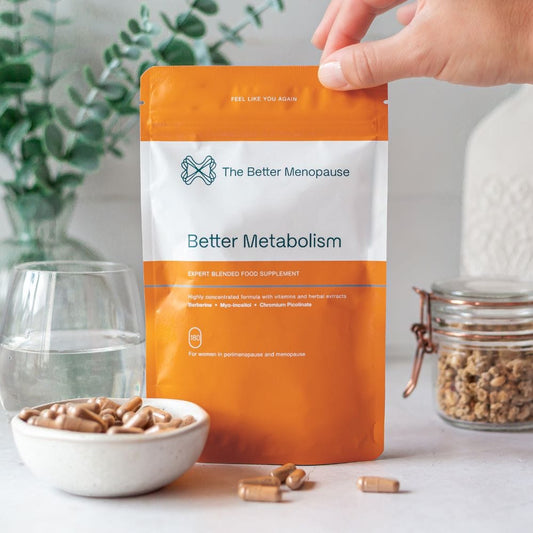
Better Metabolism
-
Regular priceFrom $45.00Regular priceSale priceFrom $45.00 Save $-45.00 (%)Unit priceper
Better Libido