Perimenopause and menopause mark a significant transition in a woman’s life. As hormone levels fluctuate and eventually decline, the body can go through a range of physical and emotional changes. Energy levels may shift, sleep can become disrupted, and exercise routines that once worked may suddenly feel less effective.
At Amp Wellbeing, the belief is simple: consistent, supportive movement is one of the most powerful ways to help women navigate these shifts. Strength training does not need to be intense or complicated. What matters most is building a routine that feels sustainable; small, regular sessions that support muscle health, mobility and long-term wellbeing.
With the right approach to nutrition, movement and recovery, this stage of life can become one where women build resilience and confidence in their bodies. Strength training, in particular, plays a key role in supporting the body through the hormonal changes of perimenopause and beyond.
Understanding the Hormonal Shift
Perimenopause, the transitional period leading up to menopause, typically begins in a woman’s mid-40s, although it can start earlier. During this phase, oestrogen and progesterone begin to fluctuate before gradually declining. These hormonal changes can cause symptoms such as hot flushes, sleep disturbances, brain fog and mood shifts.
Menopause is defined as the point when a woman has gone 12 months without a menstrual cycle. The reduction in reproductive hormones can affect everything from bone density to metabolism.
One of the most important physiological changes during this stage is the gradual loss of muscle mass.
Research suggests muscle mass can decline by 3–8% per decade after the age of 30, with this loss accelerating as oestrogen levels decrease. This is why strength training becomes particularly valuable during perimenopause.
Why Strength Training Matters
Muscle plays a vital role in supporting overall health, far beyond simply shaping the body.
Maintaining lean muscle mass helps protect bone density, improve balance and stability, and support a healthy metabolism. Muscle tissue is metabolically active, meaning it helps the body burn energy even at rest. As muscle mass declines, metabolic rate can also decrease, which is one reason weight gain can become more common during midlife.
Strength training helps counteract this process by stimulating muscle growth and preserving bone density.
Studies show that resistance training can slow age-related muscle loss and support stronger bones, reducing the risk of fractures and osteoporosis later in life.
Training Smarter During Perimenopause
When exercise results begin to plateau, it can be tempting to increase intensity or add more cardio. However, during perimenopause many women benefit more from training smarter rather than harder.
Hormonal changes can increase sensitivity to stress and raise cortisol levels. Excessive high-intensity training may therefore leave the body feeling more fatigued rather than energised.
Instead, a balanced routine that prioritises strength training, moderate cardio and adequate recovery tends to work best.
Experts often recommend two to three strength sessions per week. These do not need to be long or overly intense. Consistency is far more important than pushing to exhaustion.
For many women, building a simple routine at home can make strength training easier to maintain. A comfortable surface such as a supportive exercise mat can create a dedicated space for movement, while small tools like wrist weights or weighted balls can add gentle resistance without the need for heavy equipment.
Nutrition That Supports Strength
Exercise is only one part of supporting the body through menopause. Nutrition also plays a key role.
Protein becomes particularly important during midlife, as it helps repair and maintain muscle tissue. Many experts suggest aiming for roughly 0.8–1.2 grams of protein per kilogram of body weight each day.
Bone health also becomes a priority. Nutrients such as calcium and vitamin D help maintain bone density and reduce the risk of osteoporosis. These can be found in foods such as leafy greens, dairy products, fortified foods and oily fish.
Healthy fats, particularly omega-3 fatty acids from foods like flaxseeds, walnuts and fish, can support heart health and help reduce inflammation.
Meanwhile, limiting highly processed foods and excess sugar may help stabilise energy levels and mood.
The Role of Recovery
Recovery becomes increasingly important during perimenopause. Strength training works by creating small micro-tears in muscle fibres, which then repair and grow stronger during rest.
Spacing workouts across the week allows the body time to adapt and rebuild. Active recovery activities such as walking, gentle yoga or Pilates can help improve mobility and reduce muscle soreness.
Hydration is also important, particularly as symptoms such as hot flushes and night sweats can increase fluid loss.
Where to Start
For those new to strength training, starting simple is often the most sustainable approach. Strength training doesn’t require a gym membership or heavy equipment. Many women begin with short sessions at home, gradually building confidence and strength over time.
A beginner routine might include movements such as squats, glute bridges, rows and shoulder presses. These compound exercises work multiple muscle groups and provide the most benefit in a short amount of time.
Adding light resistance through bands, wrist weights or small weighted balls can gradually increase strength while keeping movements controlled and safe.
If you’re unsure where to begin, try this simple routine two or three times a week:
-
Squats – 10 repetitions
Strengthen the legs and glutes while supporting bone health. -
Glute bridges – 10 repetitions
Activate the glutes and support lower back stability. -
Shoulder presses – 10 repetitions
Using light resistance such as wrist weights or small hand weights. -
Bent-over rows – 10 repetitions
Help strengthen the upper back and improve posture. -
Core stability (plank or dead bugs) – 30 seconds
Strengthens the deep muscles that support the spine and pelvis.
Repeat the circuit two to three times, resting briefly between each round.
A supportive surface such as a comfortable exercise mat can make floor-based exercises easier, while light resistance tools like wrist weights or weighted balls allow you to gently increase intensity as your strength improves.
Even two short sessions per week can begin to build strength and confidence. Over time, resistance or repetitions can gradually increase as the body adapts.
Consistency Over Perfection
Perhaps the most important takeaway is that consistency matters more than intensity.
Small, regular strength sessions can have a powerful cumulative effect, helping to maintain muscle mass, support bone health and improve energy levels over time.
Perimenopause is not the end of strength. In many ways, it can be the beginning of a new approach to movement, one focused less on pushing harder and more on building lasting strength, resilience and wellbeing.
Enter Our Competition with Amp Wellbeing
Win a Movement & Wellbeing Bundle Worth Over £300
To celebrate the arrival of spring, The Better Menopause has teamed up with AMP Wellbeing to give one lucky winner a bundle designed to help you feel strong, supported and confident in your body.
The prize includes AMP Wellbeing’s beautifully designed Complete Movement Set (worth £152) and a £150 voucher to spend with The Better Menopause.
Meet the author

Discover our award-winning range
-
Regular priceFrom £40.00Regular priceSale priceFrom £40.00 Save £-40.00 (%)Unit priceper
Better Gut
-
Regular priceFrom £40.00Regular priceSale priceFrom £40.00 Save £-40.00 (%)Unit priceper
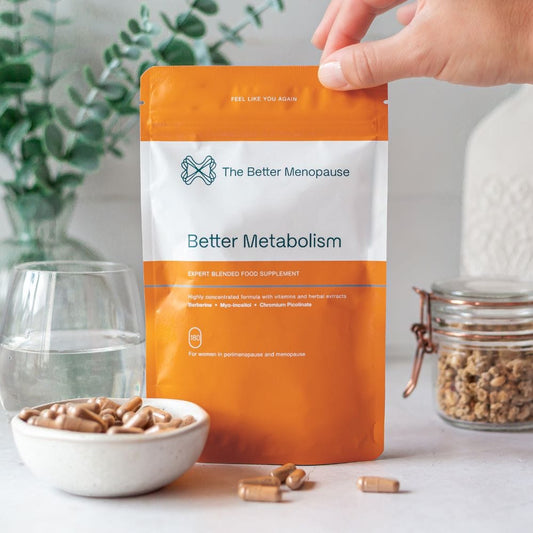
Better Metabolism